This is where podcasting is headed
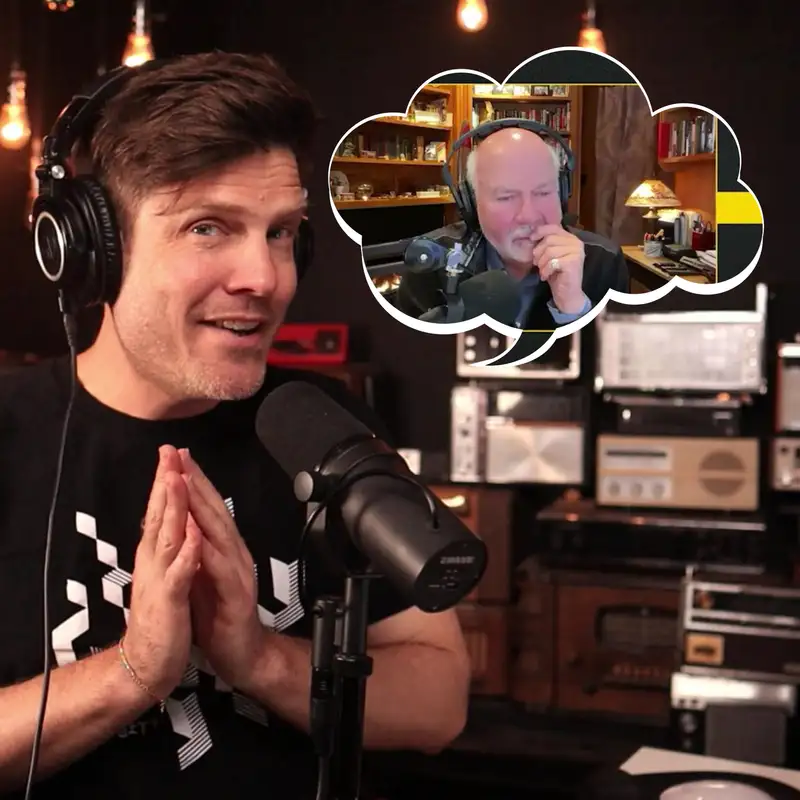
Hey, everybody. It's Justin from transistor.fm. And I just keep thinking about the podcast industry playing the game on the field. And I thought this podcast would be a good example of kind of what's happening out there. So Good Talk is a Canadian podcast for Canadian audience.
Justin Jackson:Let's fast forward and listen to how they describe the show after they've come back from a break.
Peter Mansbridge:And welcome back. You're listening to good talk for this, Friday. Chantal Hébert, Bruce Anderson, Peter Mansbridge, all here with you. You're listening on your favorite podcast platform or you're watching us on our highly successful YouTube channel. I'm amazed at how many of you watch on our YouTube channel last couple of weeks up there around a 150,000 views, which is, as I've said before, is more than some television programs get.
Peter Mansbridge:So we're very happy and pleased with that.
Justin Jackson:Peter Mansbridge, former Canadian news anchor, started a podcast. And when he communicates with his audience, he uses all the right words. Right? You're listening to us on your favorite podcast platform or our highly successful YouTube channel. And for so many podcasters now, this is the reality.
Justin Jackson:This is the game on the field. What's interesting is that a show like this no production. This is it. This is what people are consuming on YouTube. And it's just blown up.
Justin Jackson:They're getting so much traction. There's just no denying that YouTube has become a important place for podcast creators to distribute their content, connect with their audience, and get discovered. And I think a lot of people in the industry are like, you know, nobody's watching video podcasts or video podcasts are a lot more expensive to to create. Look at this. This is they're all just using their webcams.
Justin Jackson:I mean, Peter Mansbridge has a little bit of a nicer setup. But otherwise, it's just, like, cheap microphones, cheap cameras, no lighting. And, I mean, this show is blown up. What creator wouldn't want, you know, regularly getting over a 100,000 views on an episode? And I think now the other question is, you know, will Peter Mansbridge start publishing the video on Spotify?
Justin Jackson:Actually, has he done that? Let's look. So on Spotify, he is not publishing video right now. That's interesting. And then the other question is, will Peter Mansbridge be publishing his video on Apple Podcasts?
Justin Jackson:Who knows? Right? It's not doing that on Spotify right now. For many podcast creators, this is the reality. Many of them can publish a video version on YouTube that's getting consumed.
Justin Jackson:We don't know if people are watching the whole thing or if they just have it on in the background. But this is not an expensive production. This is three people on a Zoom call, bad lighting, not great audio, recording a podcast that goes out every week that's getting hundreds of thousands of views on YouTube. And I'm guessing he's got a lot of listeners on Apple Podcasts and Spotify. I mean, he's got 673 reviews on Spotify, so he must have traction there.
Justin Jackson:And on Apple Podcasts, he has 1,600 reviews. So this show is popular on Apple Podcasts. It's popular on Spotify. It's popular on YouTube. Whether the podcast industry likes it or not, creators want to publish video podcast episodes on YouTube, even though that's not connected to an RSS feed or anything else.
Justin Jackson:And many of them still want to distribute the audio only version to Apple Podcasts and Spotify and everywhere else. In Peter's case, he's getting good traction. It looks like everywhere. And at Transistor, we're starting to think about podcast distribution like this. Right?
Justin Jackson:People are gonna be uploading a video file, which we will then syndicate to YouTube and Spotify. Although it seems like what most creators want is YouTube. And then we'll happily encode it into HLS format and distribute that to Apple Podcasts via their API, but also distribute it to all the open podcast apps via the alternate enclosure tag in RSS. And then we'll also transcode that video file into an audio file that will get distributed to Pocketcasts and Overcasts and everything else. This is where it's going, folks.
Justin Jackson:This is where podcasting is going. We can't ignore it. Many creators want to upload their video that they're already recording on Zoom or Squadcast or StreamYard or Riverside. They'll just upload that to YouTube. And they'll also make the audio version.
Justin Jackson:And in terms of how audiences will respond, in many cases, a podcast that is killing it on Apple Podcasts with an audio only podcast will kill it by just uploading a simple video version to YouTube. No super expensive production. Nothing super complicated. I don't even know if they're leveling the audio. They're just recording it, uploading it, and audiences love it.
Creators and Guests